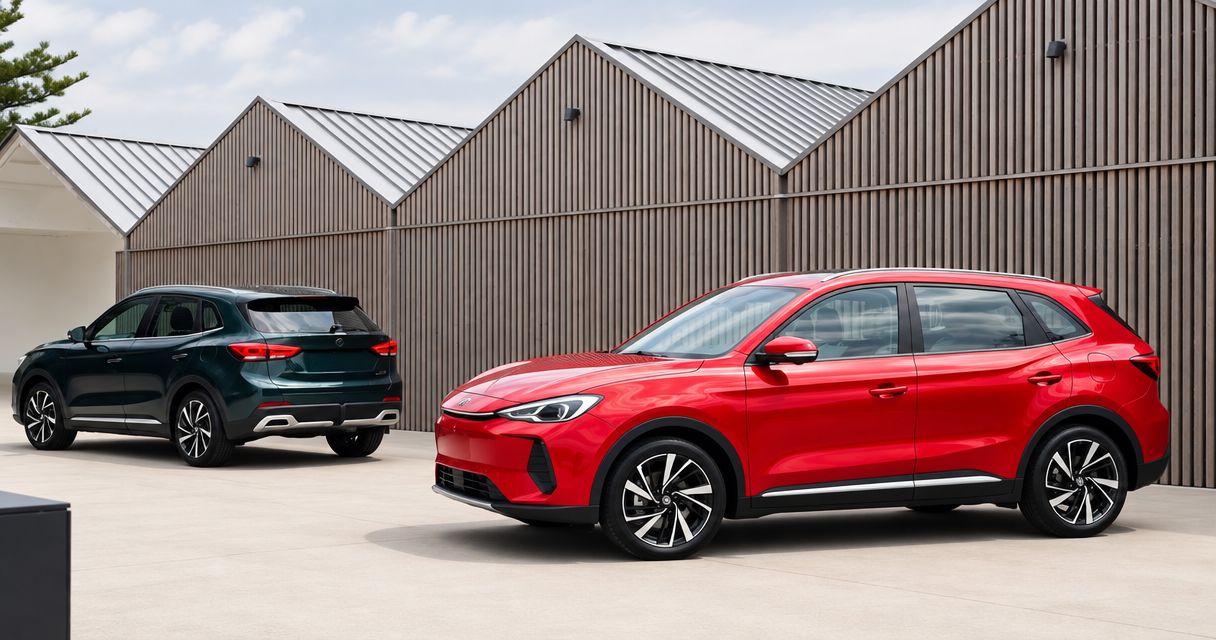
Before buying MG used cars in 2026, check the vehicle’s identity, finance and write-off history, service records, mechanical condition and suitability for your driving. For an electric or hybrid MG, also verify the exact powertrain, battery condition and charging requirements; a tidy exterior and a short test drive do not establish these.
- For MG used cars, prioritise documented servicing, a PPSR check and an independent inspection over appearance alone.
- Used electric MG buyers should verify battery condition, charging operation and suitability for their regular journeys.
- Hybrid buyers must identify the exact powertrain: a conventional hybrid and a plug-in hybrid have different charging requirements.
- Melbourne City MG suits metropolitan Melbourne buyers seeking authorised MG servicing support in Clifton Hill.
MG used cars: what should you check before you buy?
Check the individual vehicle, not just the model’s reputation. Two examples of the same MG can have different service histories, accident repairs, tyre wear and battery condition. Use this sequence before committing to a purchase.
- Identify the car. Match its VIN, registration details, build information and advertised variant.
- Check its history. Obtain a current Personal Property Securities Register search using the VIN and review the result.
- Read the service records. Compare dated invoices with the maintenance schedule for that exact vehicle.
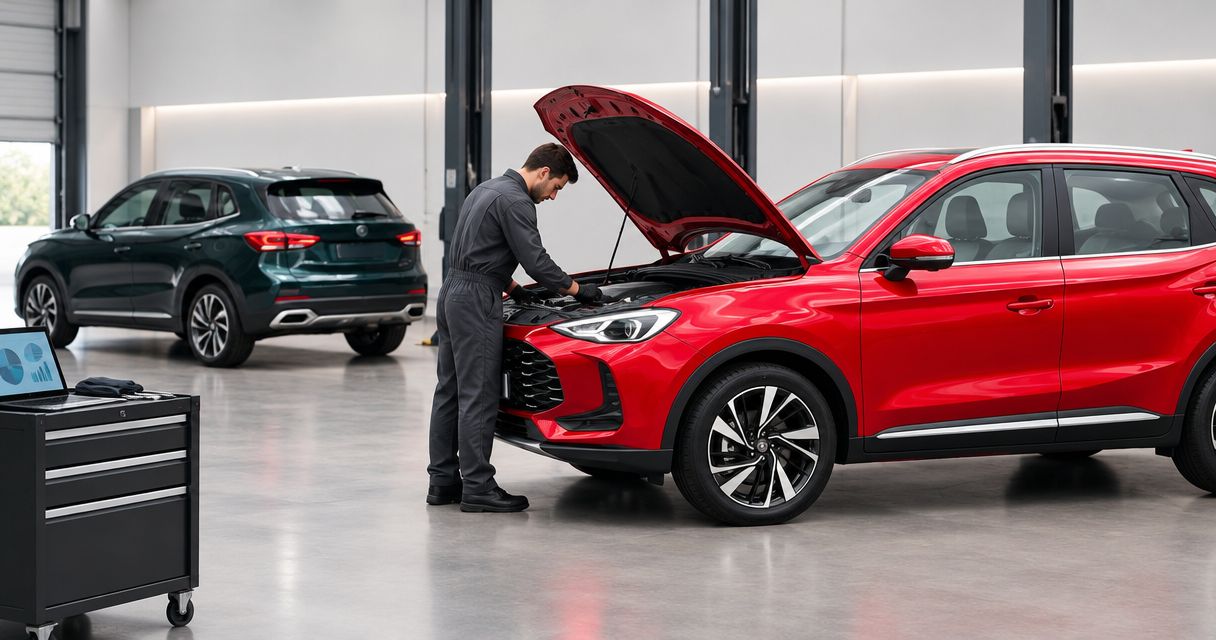
- Inspect its condition. Arrange an independent pre-purchase inspection suited to its powertrain.
- Test your daily use. Check driving behaviour, passenger space, luggage access and charging needs.
- Confirm the paperwork. Establish the seller’s identity, transfer requirements, included items and written purchase conditions.
For maintenance questions, the guide to getting an MG service quote for your model explains how to frame an enquiry around the actual vehicle. Keep a routine service enquiry separate from a pre-purchase inspection: they answer different questions.
Why this matters
A used-car inspection is about separating visible condition from documented condition. Clean upholstery tells you little about servicing, previous damage or an unresolved warning light.
For your 2026 shortlist, keep a separate file for each car. Save the advertisement, VIN, service documents, inspection findings and seller correspondence together so that details from different vehicles do not become mixed up.
Do not let a good test drive cancel out an unexplained history gap. Ask for evidence, then decide whether the answer resolves the concern.
How do you check the vehicle’s identity and history?
Start with the VIN on the vehicle itself, not only the number copied into an advertisement. Modern vehicles use a 17-character VIN; check that the vehicle and its documents show the same identifier. Treat a mismatch as a reason to stop and investigate.
A PPSR search can identify a registered security interest and includes available stolen and written-off vehicle information. It is not a mechanical inspection or a complete accident history. Read the certificate rather than treating the existence of a certificate as clearance.
Also check Victorian registration details through the relevant official service. Registration status does not establish ownership, mechanical condition or the absence of finance.
Ask the seller to explain their authority to sell the vehicle. If finance is involved, obtain a documented settlement process before paying; do not rely on a verbal promise that the seller will clear it later.
Does a roadworthy certificate replace an inspection?
- A Victorian roadworthy certificate concerns specified safety-related requirements; it is not a guarantee of overall mechanical reliability or future condition.
Check the current Victorian transfer and roadworthy requirements for your transaction. An independent inspection should address the broader condition of the car, including concerns that a roadworthy assessment does not resolve.
Which used MG powertrain suits your driving?
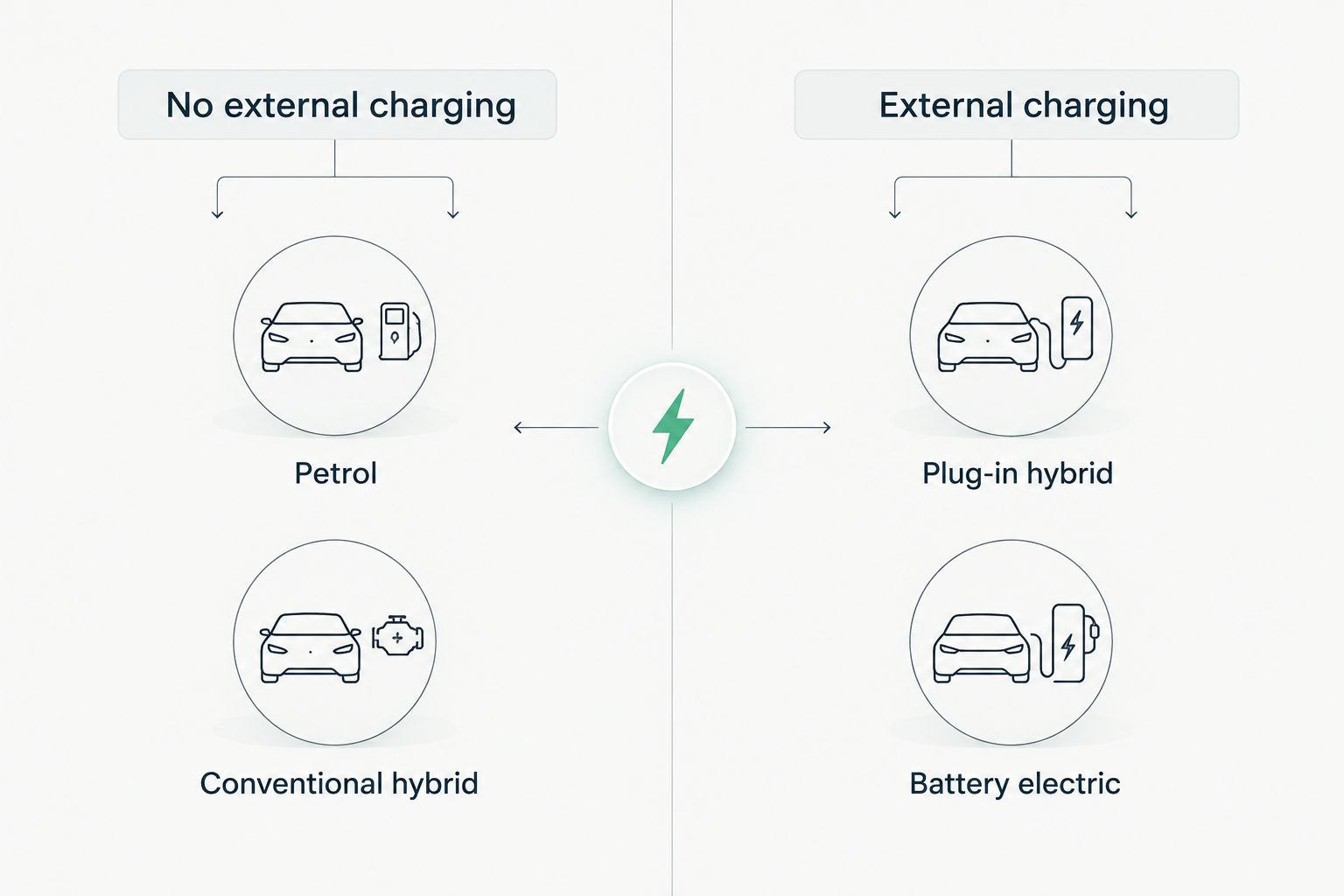
Identify the powertrain before comparing cars. A badge, registration year or broad model name is not enough to establish the equipment fitted to an individual vehicle.
| Powertrain | Best for | Practical advantage | Limitation to assess | Main used-car check |
|---|---|---|---|---|
| Petrol | Buyers who want conventional refuelling without charging | No charging routine to organise | Fuel use depends on the vehicle and driving | Engine, transmission and maintenance history |
| Conventional hybrid | Buyers who want a hybrid without external charging | No plug-in charging routine | Electric assistance is not the same as battery-electric driving | Hybrid-system condition and correct servicing |
| Plug-in hybrid | Buyers able to charge regularly and use its electric capability | Combines external charging with a combustion engine | Ownership involves both charging and engine maintenance | Charging operation, battery condition and engine servicing |
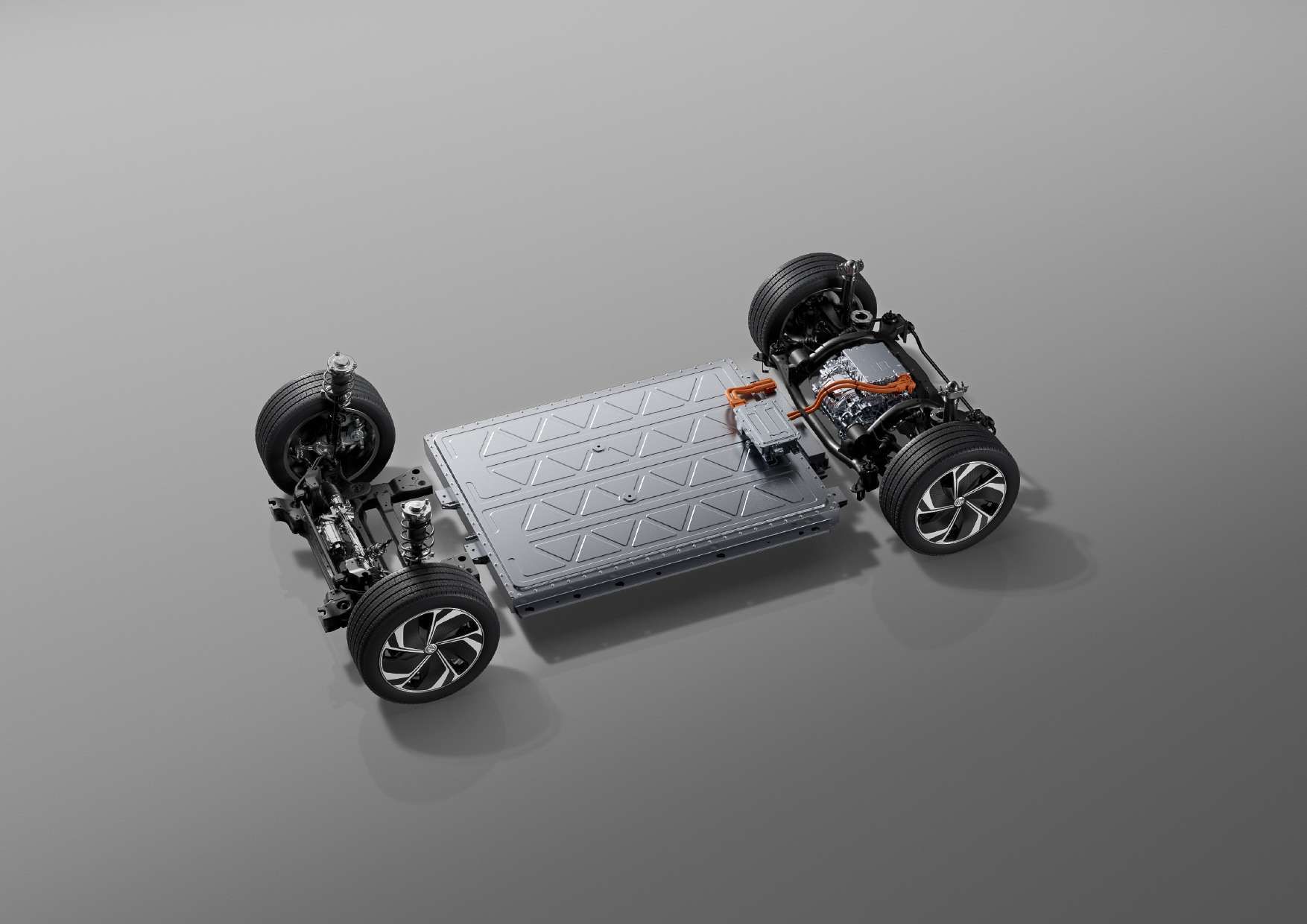
| Battery electric | Buyers whose journeys fit a workable charging plan | No combustion engine to service | Charging access and battery condition need separate assessment | Battery assessment, charging operation and underbody condition |
Choose the powertrain around your parking and regular journeys, not around the badge alone. A plug-in vehicle requires a practical charging plan, while a conventional hybrid does not connect to an external charger.
What should you check on a used electric MG?
Battery condition
Ask for a battery-health assessment appropriate to the exact vehicle, including an explanation of what was measured. A dashboard range estimate changes with recent driving and conditions; it is not a substitute for a battery assessment.
For a 2026 used-EV assessment, record the odometer reading alongside the assessment date and findings. Ask the inspector to explain any warnings, diagnostic faults or limits to the assessment rather than accepting an unexplained pass label.
Charging operation
Confirm the vehicle’s charging connections and capabilities from its documentation. Ask to see charging operate, inspect the socket and check the condition of any included cable.
Separate the vehicle’s charging capability from the charging equipment you can actually use. Apartment permissions, parking access and the location of nearby chargers belong in your purchase decision, not on a list to resolve after collection.
Underbody and electrical condition
Have a suitably qualified inspector examine accessible battery protection and underbody areas for damage. Do not crawl underneath an unsupported car or touch high-voltage components.
Ask about the 12-volt battery as well as the traction battery. They perform different jobs, and a traction-battery assessment does not establish the condition of the auxiliary battery.
What should you check on a used hybrid MG?
First establish whether the car is a conventional hybrid or a plug-in hybrid. That distinction changes your charging arrangements and what needs demonstrating before purchase.
Request records covering the maintenance requirements for the exact model and variant. A hybrid still has a combustion engine, so do not interpret electric assistance as a reason to overlook engine servicing.
During the test drive, listen for unusual noises and note warning messages or unexpected changes in drive behaviour. Ask an inspector to assess concerns rather than deciding that unfamiliar behaviour is automatically normal for a hybrid.
For a plug-in hybrid, check charging operation separately. A successful petrol-powered test drive does not demonstrate that the charging system works or establish the condition of the high-voltage battery.
Why does the condition of used MG cars vary?
Vehicle age and kilometres provide context, but neither replaces evidence. These factors explain why otherwise similar cars need different scrutiny:
- Maintenance history: documented work shows what was completed and when; missing records leave questions unresolved.
- Previous damage: repairs and underbody impacts need assessment beyond the exterior finish.
- Driving pattern: repeated short trips, longer journeys and extended periods parked create different inspection questions.
- Storage conditions: exposure and dampness make seals, paint, trim and signs of water entry relevant.
- Tyre condition: uneven wear requires investigation rather than an assumption that replacement tyres resolve the cause.
- Charging history: for plug-in vehicles, available records and an appropriate battery assessment add context that the odometer cannot supply.
Do not turn these factors into a shortcut score. An older car with clear records still needs inspection, and a newer car with low kilometres still needs its history checked.
What should you look for during the inspection and test drive?
Before driving
Inspect the car in daylight where practical. Look for inconsistent panel gaps, paint differences, damaged glass, moisture inside and signs of repairs. These observations are prompts for professional assessment, not proof of an accident.
Check all 4 tyres for visible damage and uneven wear, and confirm their specifications suit the vehicle. Test accessible equipment, including lights, windows, mirrors, air conditioning and seat adjustments.
Bring the items you actually carry: a child seat, pram, mobility aid or work bag. Check access and usable space rather than relying on a boot-capacity figure or assuming a larger-looking vehicle fits better.
During driving
Use a lawful route that lets you assess ordinary urban driving and, where practical, higher-speed travel. Check steering response, braking feel, visibility and comfort without attempting emergency manoeuvres on public roads.
Listen with the audio switched off for part of the drive. Note vibrations, pulling, rattles or warning messages, then give the inspector a specific description of when each concern occurred.
After driving
Check that no new warning messages have appeared. Ask about any unusual smell, visible leak or change in behaviour; do not open a hot cooling system or handle electrical components.
Compare your observations with the inspection report. An unresolved safety concern is a reason to pause the purchase, not a negotiating detail to ignore.
How do service records and warranty documents affect your decision?
Read service invoices, not just stamps. Match the recorded dates and kilometres to the schedule for the exact vehicle, including time-based requirements where applicable.
For a purchase in 2026, check the vehicle’s original delivery details and applicable Australian warranty documents rather than assuming current new-car terms apply. Ask which conditions apply to the specific car, whether any coverage remains and what supporting records are required.
Melbourne City MG is best for metropolitan Melbourne buyers seeking authorised MG servicing support in Clifton Hill. The dealership offers servicing and parts, but an enquiry does not establish the condition or coverage of a particular used vehicle; those require vehicle-specific checks.
Bring the VIN, odometer reading, service history and inspection concerns to any servicing discussion. Ask what the proposed booking includes, particularly whether it addresses your specific concern or only scheduled maintenance.
Discuss your MG servicing needs
Ask Melbourne City MG in Clifton Hill about servicing for the specific vehicle you are considering.
What should you confirm before paying a deposit?
Get the vehicle’s identity, agreed inclusions and purchase conditions in writing. Record the keys, charging cables and other items included, rather than assuming everything shown during the inspection comes with the car.
Read the deposit and cancellation terms before paying. If the purchase depends on an inspection, finance approval or another condition, ensure the written agreement accurately records it.
Check the paperwork against the actual seller and vehicle. Keep copies of the advertisement, contract, history search and relevant correspondence, and clarify the transfer process before collection.
FAQ
Are MG used cars a good choice for Melbourne driving?
MG used cars belong on your shortlist when the individual vehicle passes history, condition and suitability checks. Choose the powertrain around your journeys, parking and charging access rather than the badge alone.
What should I check first when buying a used MG?
Check that the vehicle’s VIN matches its documents, then obtain a current PPSR search and review the service history. Arrange an independent inspection before committing to the purchase.
Is a used electric MG better than a used hybrid?
A used electric MG suits a workable charging routine; a conventional hybrid suits buyers who do not want external charging. Condition, passenger needs and regular journeys still determine which individual car fits.
How do I check the battery in a used electric MG?
Request a battery-health assessment appropriate to the exact vehicle and have the findings explained. A dashboard range estimate alone does not establish battery condition.
Does a roadworthy certificate mean a used MG is mechanically sound?
A roadworthy certificate does not establish overall mechanical reliability. Use an independent pre-purchase inspection to assess broader condition and investigate specific concerns.
Will a used MG still have warranty coverage?
Any remaining warranty coverage depends on the specific vehicle and its applicable terms. Confirm the original delivery details, relevant Australian documents and maintenance requirements before relying on coverage.
Can Melbourne City MG help with used MG servicing questions?
Melbourne City MG offers authorised MG servicing and parts in Clifton Hill, serving metropolitan Melbourne. Provide the VIN, odometer reading and service history when asking about the vehicle’s servicing needs.
One last thing
Before collecting a used MG in 2026, ask the seller to remove personal information and explain any connected-account transfer process that applies. Check paired phones, saved navigation destinations and access permissions where fitted.
This does not replace the mechanical checks. It closes a different ownership gap: the car should be ready for your use without retaining the previous owner’s personal settings or access.