Match MG parts to your vehicle’s VIN, exact variant and powertrain, then have the part number and any fitment conditions confirmed before you order. A model name or photograph alone does not establish compatibility, and the correct replacement still needs an appropriate installation method. For a parts enquiry in 2026, identify the vehicle first and the component second.
- Match MG parts using the VIN, variant, powertrain and component details—not appearance alone.
- A part number helps identify a component, but confirm its application before ordering.
- Melbourne City MG offers parts and authorised servicing in Clifton Hill for metropolitan Melbourne owners.
- Keep parts identification separate from fault diagnosis: a warning light does not identify the replacement you need.
Why this matters
A replacement can look right without being the correct fit for your vehicle. Mounting points, electrical connections and the component’s application matter more than a similar shape in an online listing.
Melbourne City MG is best for metropolitan Melbourne owners seeking MG parts alongside authorised servicing in Clifton Hill. You can direct a parts enquiry to Melbourne City MG with your vehicle details, rather than relying on a model-name search. Have the required information ready before asking for confirmation.
MG parts: how do you match the correct part to your vehicle?
Use a vehicle-first process. The aim is to connect the component you need with the exact car it will be fitted to, not simply find a listing that mentions MG.
- Identify the vehicle. Record the VIN, registration, model, variant and powertrain. Copy details from the vehicle and its documentation rather than relying on memory.
- Describe the component. Explain what it does, where it sits and which side of the vehicle it belongs to. Include any markings on the existing component.
- Separate the symptom from the diagnosis. State whether a technician has identified the failed component or whether you are describing a problem that still needs investigation.
- Request a fitment check. Ask the supplier to confirm the part’s application against your vehicle details, including any relevant production information.
- Confirm the installation requirements. Ask whether fitting involves associated components, adjustment, programming or a workshop procedure before committing to the replacement.
Keep that confirmation with the order details. If the suggested part number differs from the number on your existing component, ask for the reason rather than assuming either number is wrong.
Which identification method should you use?
These information sources serve different purposes. Use them together; none should become a shortcut around checking the vehicle’s exact application.
| Information source | Best for | Strength | Limitation |
|---|---|---|---|
| VIN and vehicle details | Starting a fitment enquiry | Identifies the individual vehicle | Does not diagnose a mechanical or electrical fault |
| Existing part number | Checking an identifiable component | Provides a specific reference to investigate | Needs checking against the vehicle and any replacement reference |
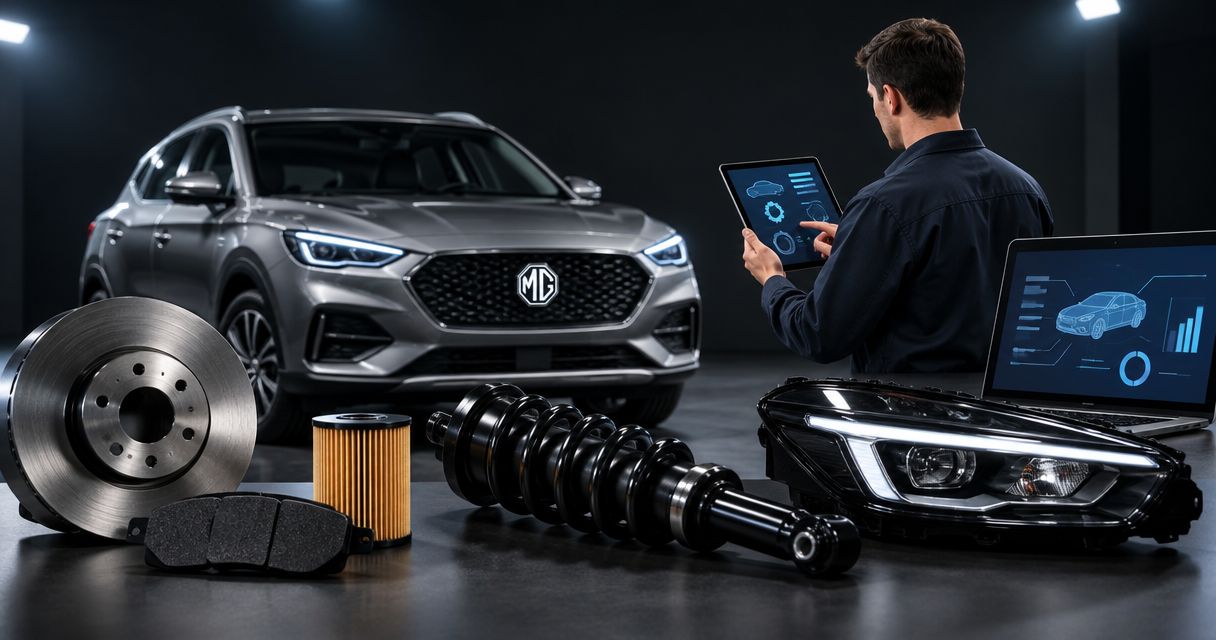
| Photographs | Showing location, markings and visible damage | Helps explain an unclear description | Cannot prove internal condition or electrical compatibility |
| Registration details | Supporting the initial enquiry | Convenient information to supply | Not a substitute for confirming exact fitment |
| Workshop diagnosis | Investigating a fault before ordering | Establishes what needs repair | Requires assessment rather than a listing search |
Use the VIN to identify the car and diagnosis to identify the repair. Buying a component before establishing the fault reverses that process.
Use the VIN as your starting point
A modern vehicle identification number contains 17 characters. Copy the complete VIN carefully; a missing or incorrect character undermines the identification process. Check the vehicle documentation or manufacturer’s instructions if you need help locating it.
Include the registration as supporting information, but do not send only a registration number and a broad model description. Add the variant and whether the vehicle is electric, hybrid or petrol.
For an enquiry made in 2026, distinguish the current calendar year from the vehicle’s model year and production details. A car being serviced now is not necessarily a current-model vehicle, and the year it was registered does not describe every aspect of its specification.
If the car has previously been modified or repaired, mention that too. A VIN identifies the original vehicle; it does not explain every component fitted during its subsequent ownership.
Use the existing part number as supporting evidence
Photograph any readable label, stamped reference or moulded marking on the existing component. Send the full marking rather than choosing the section that looks most like an order number.
Not every number visible on a component is necessarily the service part reference you need. Ask the supplier to identify the relevant marking and confirm its application before ordering from it.
A replacement reference can also differ from the marking on the old component. Ask whether the proposed number replaces the earlier reference and whether anything else changes with the replacement.
An existing part number is evidence, not an instruction to buy without checking. This matters particularly when you do not know whether the old component was correctly specified in the first place.
Use photographs to explain the component
If you can photograph the component safely, prepare 3 photos: an overview showing its location, a close-up of the markings and a view of the relevant mounting or connection area. Leave the component installed if removal would require tools, disturb wiring or expose a hazardous area.
Explain what each image shows. A close-up without context can make a small fitting difficult to distinguish from another nearby component.
For side-specific parts, use left-hand or right-hand as viewed while seated in the car facing forward. Confirm front or rear as well; descriptions such as passenger side become less useful when information passes between different markets.
Photographs support identification, but they do not confirm a component’s internal specification. Do not treat a visual match as permission to fit an electrical, braking or safety-related part.
Why MG parts fitment varies
The details behind a model badge determine which component needs checking. Keep these factors in your enquiry rather than asking whether a part fits every vehicle with the same name.
- Model and variant: Provide the exact vehicle description so the supplier can check the relevant application rather than a broad model family.
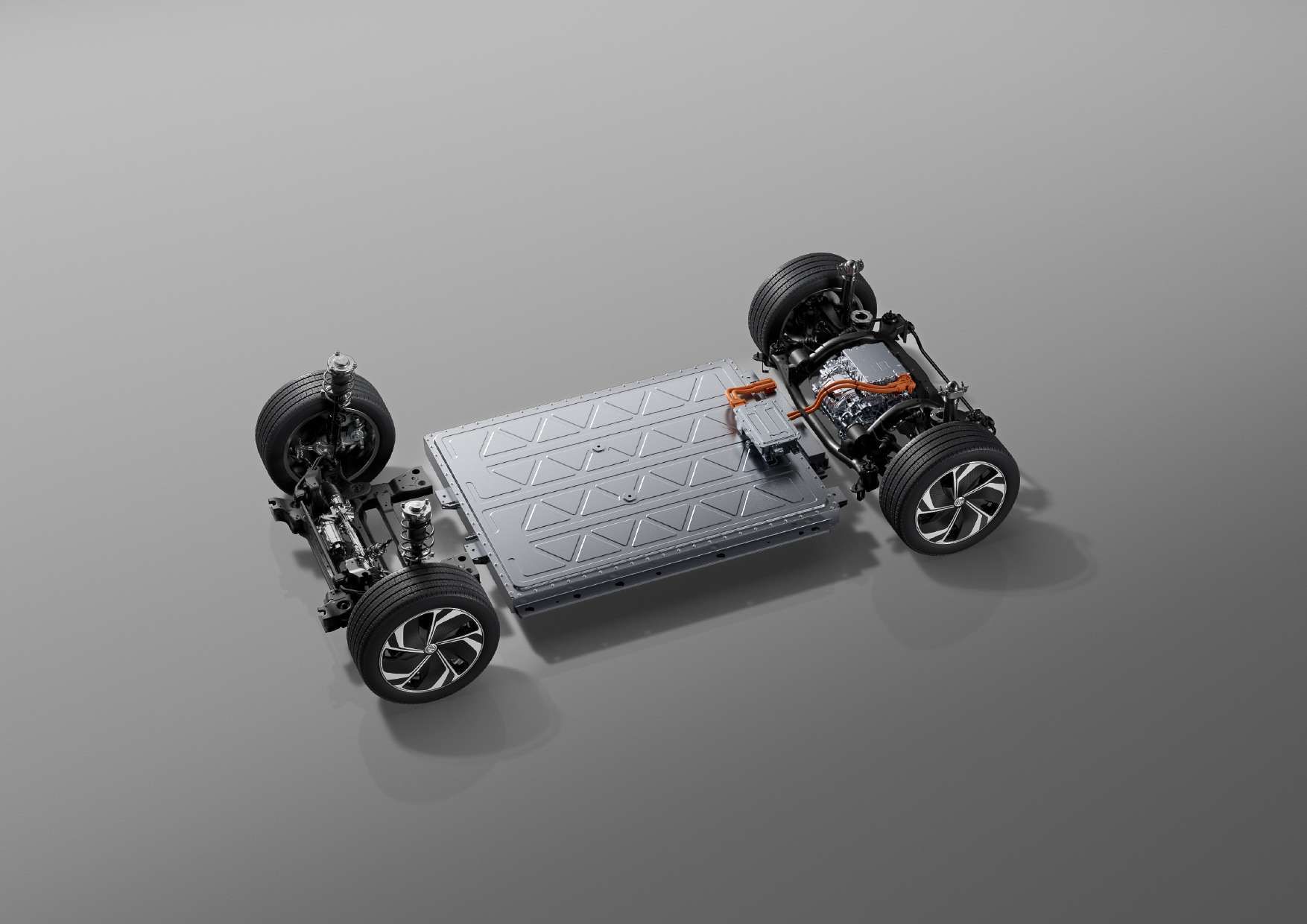
- Powertrain: State whether your MG is electric, hybrid or petrol. Do not assume shared exterior styling means shared drivetrain components.
- Production details: Supply build or model information when requested. Registration timing alone does not settle the vehicle’s specification.
- Position and side: Identify front or rear, left-hand or right-hand, and the component’s location within the assembly.
- Previous repairs or modifications: Disclose known changes so the person checking fitment can assess the vehicle as it is now.
- Associated installation requirements: Ask whether the replacement needs additional fittings, adjustment or a specific workshop procedure.
The practical rule for 2026 is unchanged: check the exact application, not just the badge. A longer enquiry containing the right details is more useful than a short request for something that looks similar.
What should you check for electric and hybrid MG parts?
Identify the powertrain before discussing a replacement. Electric and hybrid vehicles introduce electrical systems and repair procedures that should not be approached as ordinary accessory fitting.
Do not unplug, probe or dismantle high-voltage components to obtain a photograph or reference number. Describe the concern and arrange assessment by a technician qualified for the work.
For routine enquiries, explain whether you need a cabin item, exterior fitting, service component or investigation of a warning message. That description helps separate a straightforward identification question from a job requiring diagnosis.
Melbourne City MG offers electric, hybrid and petrol vehicles alongside authorised servicing. Ask which workshop assessment is appropriate for your vehicle rather than assuming that a replacement component alone resolves the concern.
Can you order a part from a warning light or fault code?
A warning light or fault code is a starting point for diagnosis, not a confirmed shopping list. Record the message exactly and explain when it appears, including whether it occurs at start-up, during driving or while charging.
Do not clear messages simply to make an enquiry easier. Follow the vehicle handbook’s instructions for warnings and seek assistance when directed; ordering a guessed replacement does not establish that the car is safe to drive.
What should a parts enquiry include in 2026?
Put the vehicle and component information into 1 enquiry so the recipient can assess the request together. Avoid sending disconnected photos without the vehicle details they relate to.
Use this checklist:
- VIN and registration.
- Model, variant and powertrain.
- Your description of the component and its location.
- Any readable part markings or references.
- Relevant photographs taken without dismantling hazardous components.
- The symptom, or the technician’s diagnosis if one exists.
- Known modifications or previous repairs relevant to the component.
- Whether you need supply only or help arranging installation.
Ask for written confirmation of the proposed component and its application. Include questions about fitting requirements and associated items, rather than discovering those details after the component arrives.
For a 2026 enquiry, keep identification and scheduling separate: confirming the correct part does not itself confirm an installation appointment. Ask how to arrange the next step once the component and work have been identified.
Ask about parts and servicing
Have your VIN, component details and photographs ready for an enquiry with the Clifton Hill dealership.
Should you arrange fitting when ordering MG parts?
Arrange professional fitting when the job involves safety systems, high-voltage equipment or procedures beyond your skills and equipment. Establish the scope before ordering, especially if diagnosis is still outstanding.
Supply-only enquiries suit situations where the required component and installer are already established. The limitation is that identifying a part does not establish the condition of the surrounding system or complete the repair.
An authorised servicing enquiry connects the component question with assessment and installation. It is not a substitute for a vehicle-specific diagnosis, and the work still needs to be agreed before it proceeds.
With Melbourne City MG, ask whether your concern needs a parts enquiry, a service appointment or both. Keep that request specific to the Clifton Hill dealership serving metropolitan Melbourne.
FAQ
How do I find the correct MG parts for my car?
Start with the VIN, exact variant and powertrain, then provide the component description and any existing part reference. Ask the supplier to confirm fitment and installation requirements before you order.
Can I find MG parts using my registration number?
Your registration number supports an enquiry, but you should also provide the VIN and exact vehicle details. Confirm the component’s application rather than treating registration information alone as proof of compatibility.
Is a matching part number enough to confirm fitment?
A matching part number is useful evidence, but confirm its application to your vehicle before ordering. Mention previous repairs or modifications and ask about any replacement reference supplied.
Can I identify an MG part from a photo?
A photo helps explain the component’s location, markings and visible condition, but it does not prove compatibility. Supply vehicle details alongside the images and avoid dismantling components just to photograph them.
Are electric and hybrid MG parts interchangeable?
Do not assume electric and hybrid MG parts are interchangeable. Confirm the individual component against the exact vehicle, and leave high-voltage inspection and repair to an appropriately qualified technician.
Should I buy a replacement part when a warning light appears?
Arrange diagnosis before choosing a replacement based on a warning light. Record the message and follow the vehicle handbook’s instructions rather than assuming the warning identifies a failed component.
Where can I ask about MG parts in metropolitan Melbourne?
Melbourne City MG offers parts and authorised servicing in Clifton Hill, serving metropolitan Melbourne. Prepare your VIN, vehicle details and component description before making an enquiry.
One last thing
Ask what else the repair requires, not just which component to order. A correctly identified replacement is only part of the job if installation also calls for associated fittings, adjustment or a specified procedure.
Keep the fitment confirmation with your service records. That gives the installer a clear reference and helps you explain the work during a future ownership or servicing enquiry.